
In today’s fast-paced Forex markets, signals play an important role in shaping short-term price movements. Whether they come from professional analysts, algorithmic providers, or community-driven platforms, signals provide traders with actionable entry and exit levels. But what often goes unnoticed is how these signals themselves influence market behaviour sometimes even more than the underlying economic or technical reasoning behind them.
The Psychological Effect of Signals

At the most basic level, signals influence trader psychology. A buy or sell alert can create immediate market interest, especially if it comes from a provider with a strong reputation. Retail traders, who may lack the confidence to act on their own analysis, often respond quickly to signals. This collective behavior can create self-fulfilling moves: if enough traders follow the same instruction, price begins to shift in that direction.
This effect is particularly visible in liquid pairs such as EUR/USD or GBP/USD, where short-term bursts of activity can often be traced back to popular signal releases.
Liquidity and Short-Term Flows
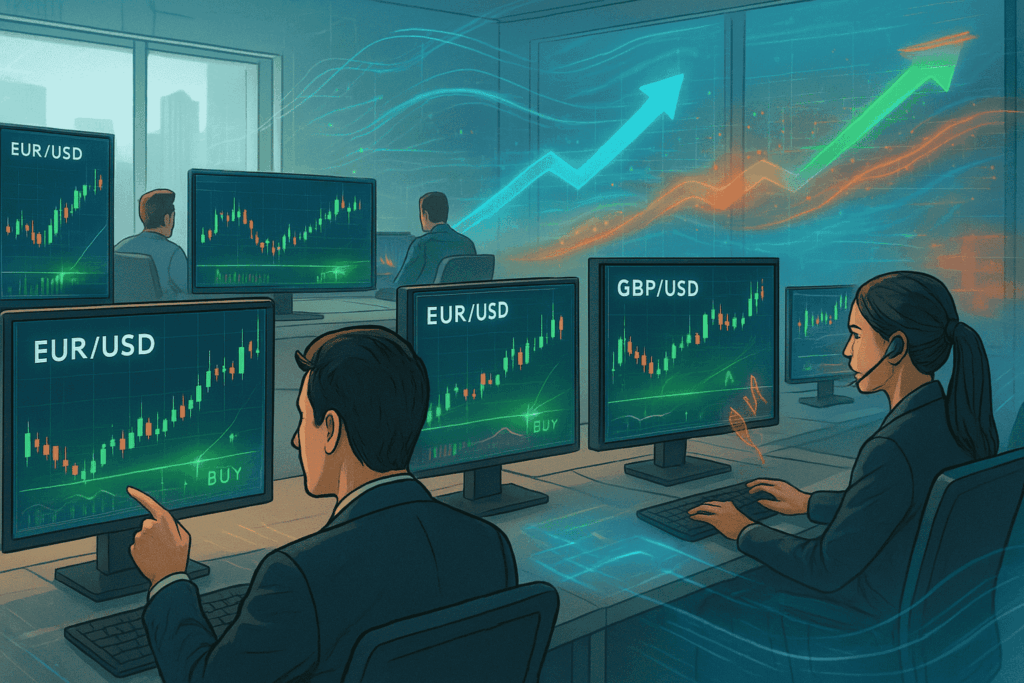
When multiple traders act on the same signal, liquidity pockets emerge. For example:
- Buy signal clusters: If a buy signal suggests entry around a strong support level, orders accumulate in that zone. The increased buying pressure may push the pair upward, validating the signal.
- Stop-loss triggers: Many signals include suggested stop-loss points. When these are hit, they often cascade into multiple stop orders being executed simultaneously, accelerating momentum in the opposite direction.
In this sense, signals don’t just predict movement they actively generate it.
Algo Integration and Speed

With the rise of algorithmic trading, signals are no longer consumed only by human traders. Many systems are designed to scrape, process, and act on signals automatically. This accelerates market response, often leading to sharp spikes or dips within seconds of signal distribution.
Short-term traders should recognize that this machine-driven reaction means entry timing is critical. A signal may already be “priced in” within minutes, so chasing it too late can result in poor fills or reversals.
Distinguishing Between Reliable and Weak Signals
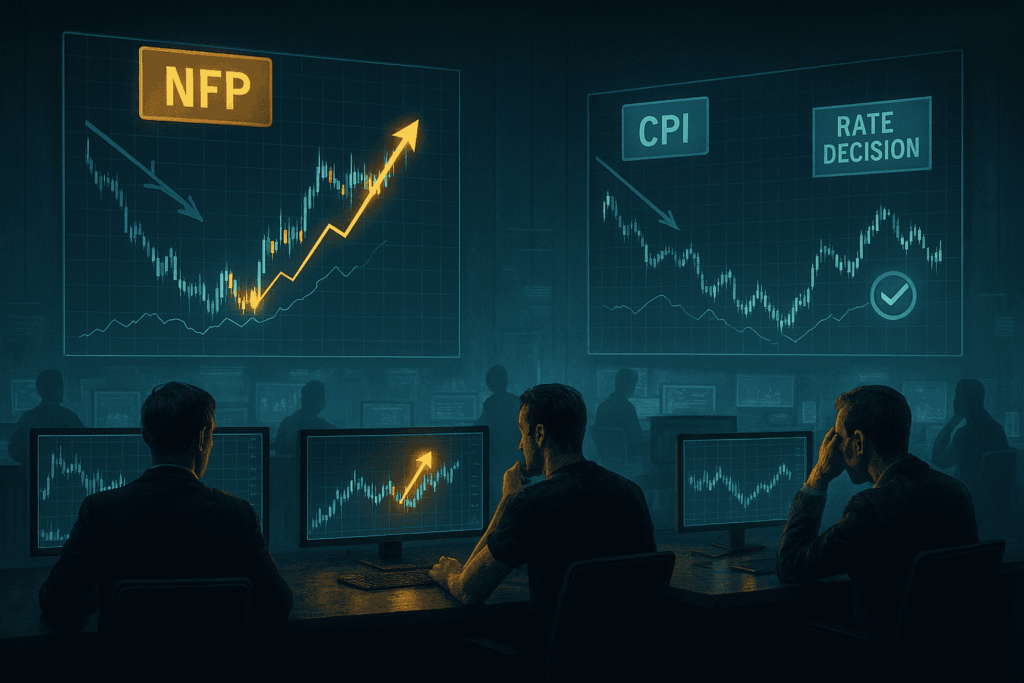
Not all signals have equal market impact. Factors that determine influence include:
- Provider credibility: Signals from providers with long, verified track records carry more weight.
- Market context: A buy signal during a strong uptrend has more impact than the same call in a choppy range.
- Timing with news: Signals that align with major economic events (NFP, CPI, central bank announcements) can amplify volatility dramatically.
- Clarity of entry/exit: Signals that provide precise levels and risk parameters attract more disciplined execution.
Traders who can filter signals for quality are better positioned to capture short-term moves without falling into traps.
Strategies for Trading Signal-Driven Moves

- Quick execution: Short-term signal-driven moves often unfold fast. Traders should be ready with pre-set order sizes and risk parameters.
- Partial scaling: Entering partial positions allows flexibility if the signal-driven move extends further or reverses.
- Combining with technicals: Use support/resistance and volatility measures to validate signals before acting.
- Avoiding overcrowding: If a signal becomes too popular, late entries risk becoming liquidity for early movers.
Risks of Signal-Driven Trading
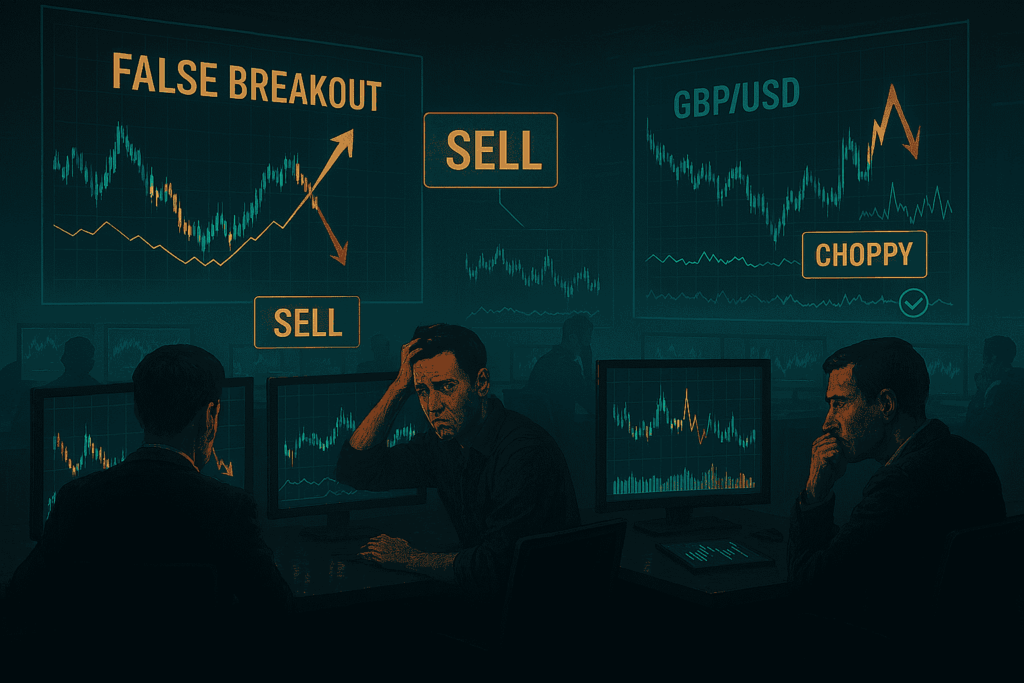
While signals can create profitable opportunities, they also carry risks:
- False breakouts: Heavy following may cause exaggerated moves that reverse quickly.
- Over-reliance: Traders who blindly follow signals without context may be caught off guard when markets don’t respond as expected.
- Market noise: Especially in quieter sessions, even small groups of traders acting on signals can cause short-lived whipsaws.
Conclusion
Forex signals play a dual role: they guide traders with actionable setups and simultaneously influence short-term market behavior. Understanding this dynamic is key for active traders. Signals can amplify price moves, create liquidity pockets, and even drive volatility on their own.
To succeed, traders must not only interpret the content of a signal but also anticipate the collective market reaction to it. By combining signals with technical validation, managing risk carefully, and avoiding the temptation to chase late entries, traders can harness the power of signals while sidestepping the pitfalls of crowd-driven moves.