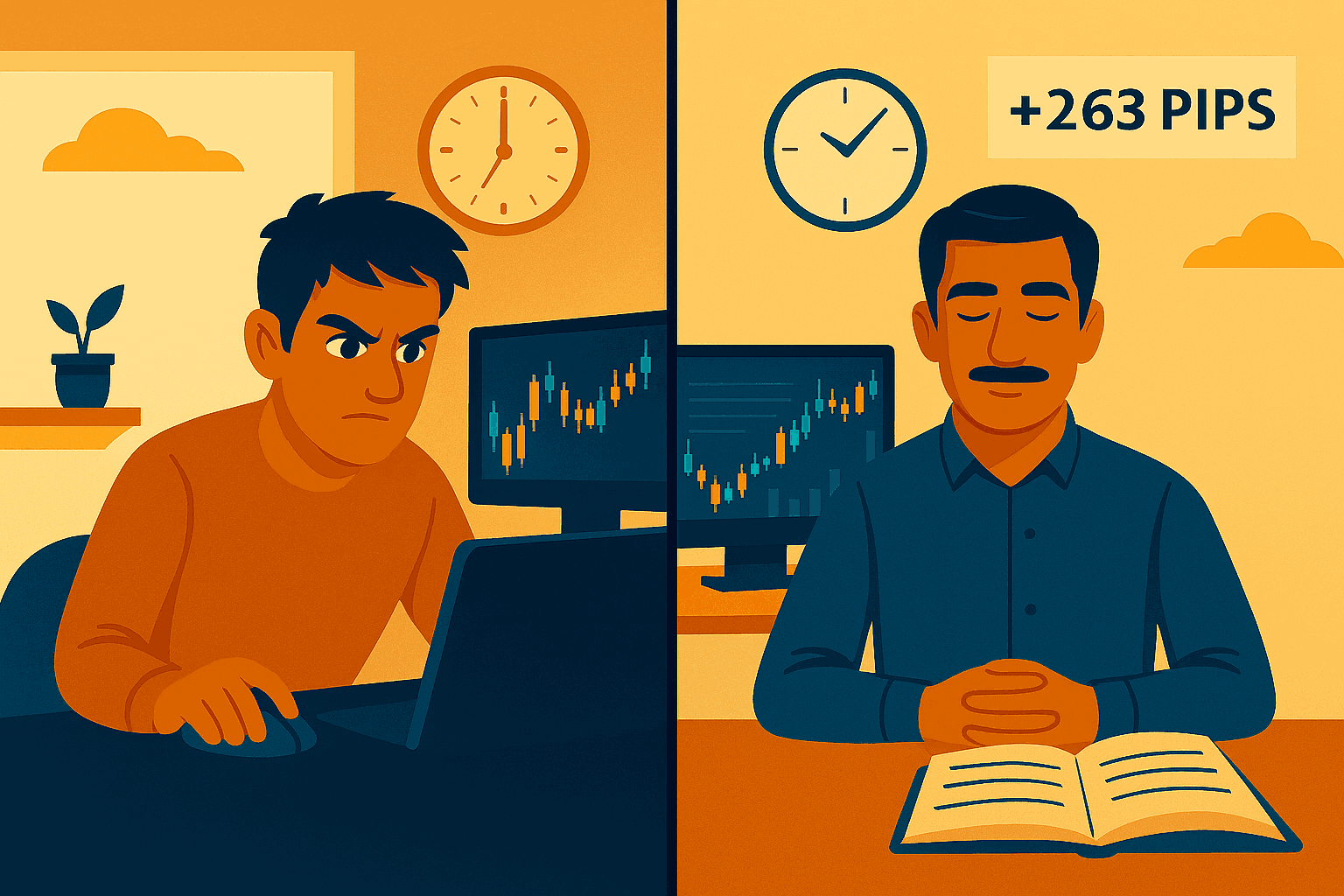
One of the biggest debates in forex trading is the battle of Scalping Signals vs Swing Signals , which one delivers more consistent profitability? While both strategies can work, their effectiveness depends on trader psychology, market conditions, and how signals are executed. Let’s break down the core differences and assess which approach has the potential to yield stronger long-term results.
Scalping Signals: Quick Hits in the Market
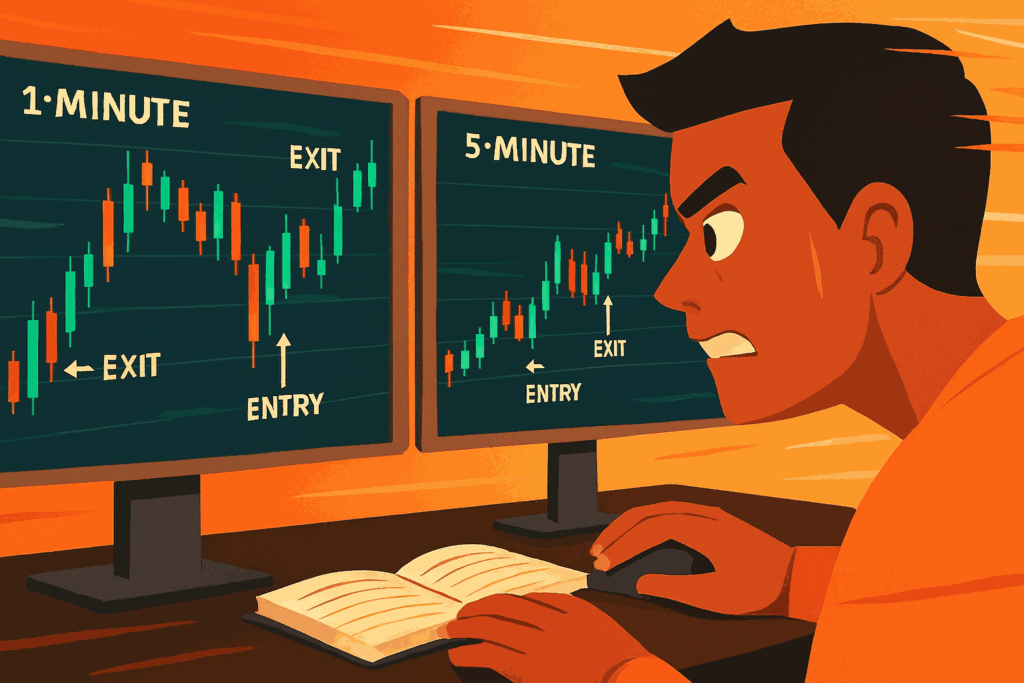
Scalping signals aim for multiple small trades throughout the day, usually targeting a few pips at a time.
Advantages:
- High frequency of trades – Opportunities appear in nearly every session.
- Faster results – Profits (or losses) are realized within minutes to hours.
- Exploits micro-movements – Ideal for volatile market openings like the London session.
Drawbacks:
- Execution risk – Delays in following the signal can turn winners into losers.
- Broker dependency – Requires low spreads, fast execution, and minimal slippage.
- Stress factor – Scalping demands constant attention, making it mentally exhausting.
For traders who thrive on action and can monitor markets full-time, scalping signals can provide consistent but smaller gains.
Swing Signals: Patience for Bigger Moves
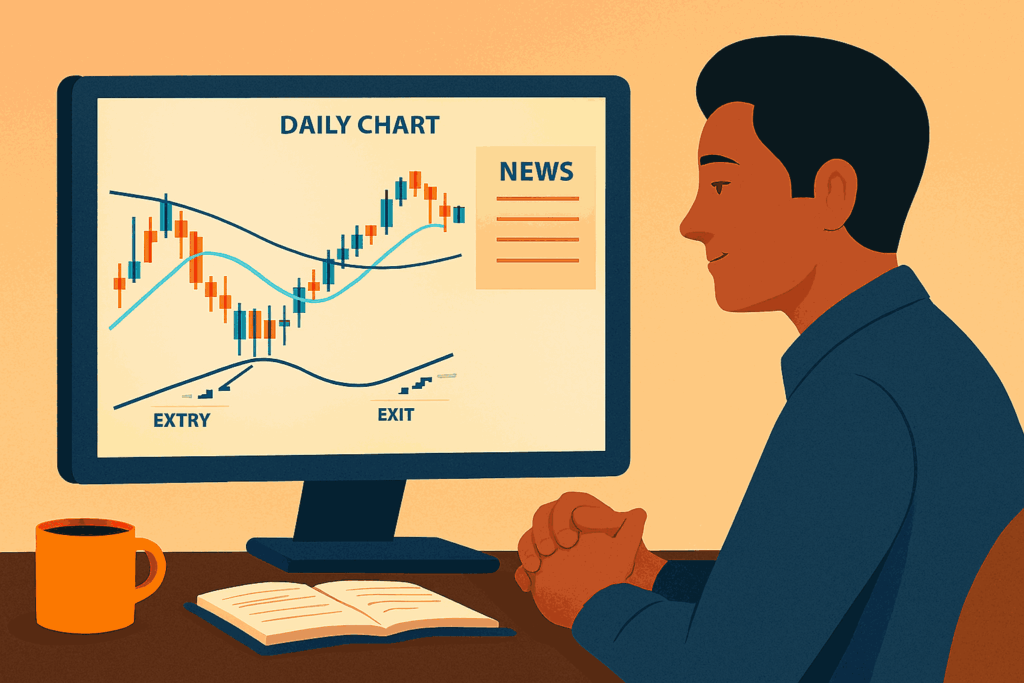
Swing trading signals aim to capture larger market moves that unfold over days or even weeks.
Advantages:
- Higher reward-to-risk ratios – A well-placed swing signal may yield 100+ pips with a 1:3 or 1:5 setup.
- Less time-intensive – Traders don’t need to watch every tick, just manage trades strategically.
- Aligned with fundamentals – Swing signals often incorporate economic data and sentiment, not just micro-patterns.
Drawbacks:
- Fewer trades – Patience is required since opportunities may only arise a few times per week.
- Larger drawdowns – Trades remain open longer, and stop-loss levels are wider.
- Psychological pressure – Holding positions overnight or through news events can be stressful.
Swing signals work well for traders who prefer quality over quantity and are comfortable with bigger picture setups.
Profitability Comparison: Scalping vs Swing
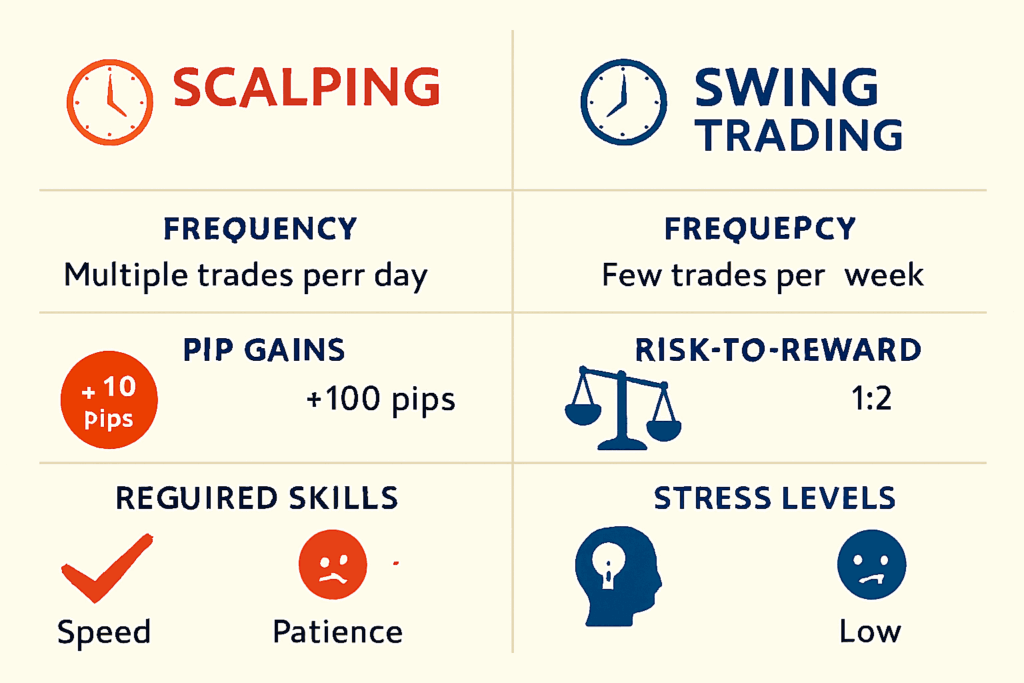
When it comes to profitability, the answer is not black-and-white. Instead, it depends on:
- Trader Profile –
- Scalpers need quick reflexes, discipline, and emotional control.
- Swing traders need patience and resilience against short-term noise.
- Market Conditions –
- Scalping signals thrive in volatile, liquid markets with strong intraday moves.
- Swing signals perform better in trending environments where momentum can be sustained.
- Risk Management –
- Scalpers rely on tight stops and frequent compounding.
- Swing traders use wider stops but aim for bigger multiples of risk.
Case Study Insight:
- A scalper taking 20 trades a week with an average gain of 5 pips may earn 100 pips weekly.
- A swing trader taking 3 trades a week, with each producing 50 pips, may earn 150 pips weekly.
Both approaches can be profitable but consistency hinges on execution and discipline, not just signal type.
Which Should You Choose?
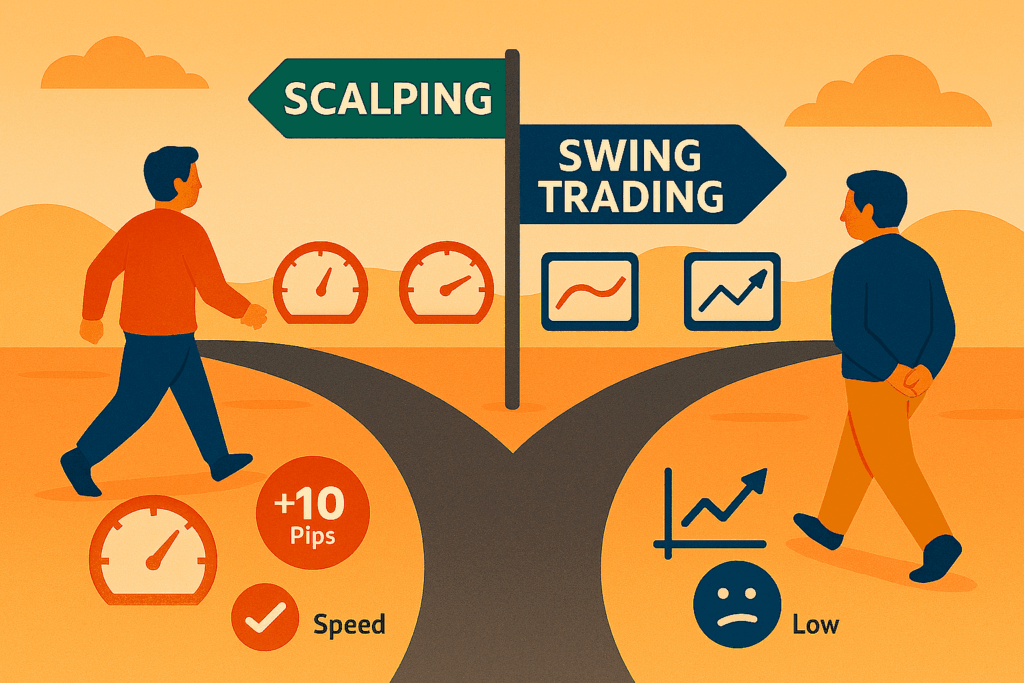
- Choose Scalping Signals if you:
- Prefer fast-paced markets.
- Can dedicate time during key trading sessions.
- Have access to tight spreads and fast brokers.
- Choose Swing Signals if you:
- Want fewer but higher-quality trades.
- Can tolerate holding trades overnight.
- Prefer combining technicals with fundamentals.
Final Word
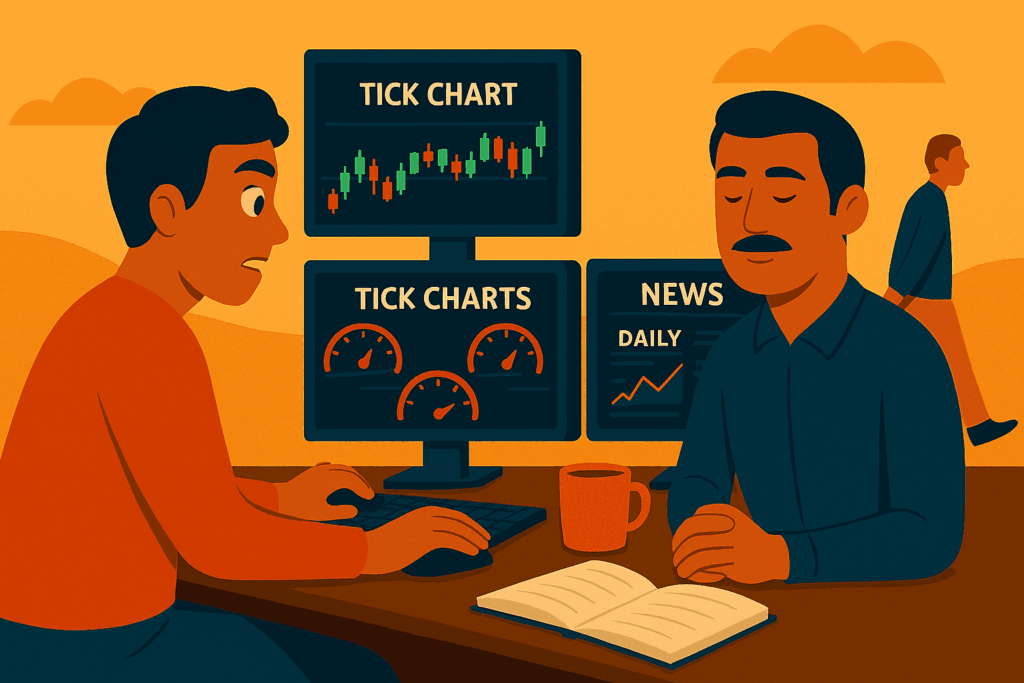
There is no universal winner between scalping and swing signals. The more profitable option depends on the trader’s personality, resources, and ability to stick to risk management rules. Some traders even blend both using scalping signals for daily cash flow while relying on swing signals for longer-term growth.