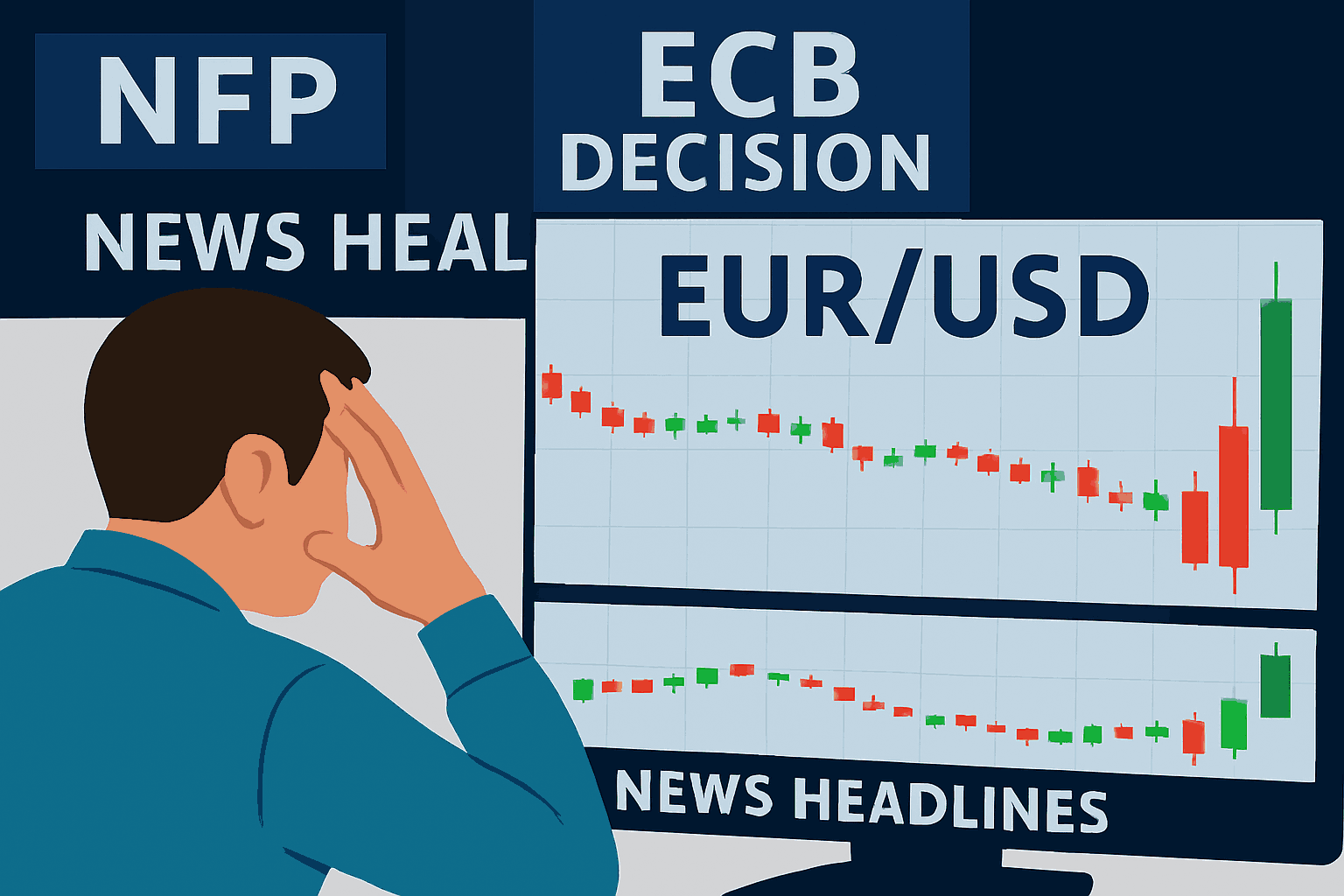
Understanding how EUR/USD signals during high-impact news behave is essential for traders looking to capitalize on volatility without exposing themselves to excessive risk. As the most closely watched currency pair, EUR/USD reacts sharply to events like U.S. NFP, Fed decisions, or ECB announcements and signal behavior can shift within seconds. Learning to adapt your approach in these moments can be the difference between profit and whipsaw losses.
Why EUR/USD Reacts So Strongly to News
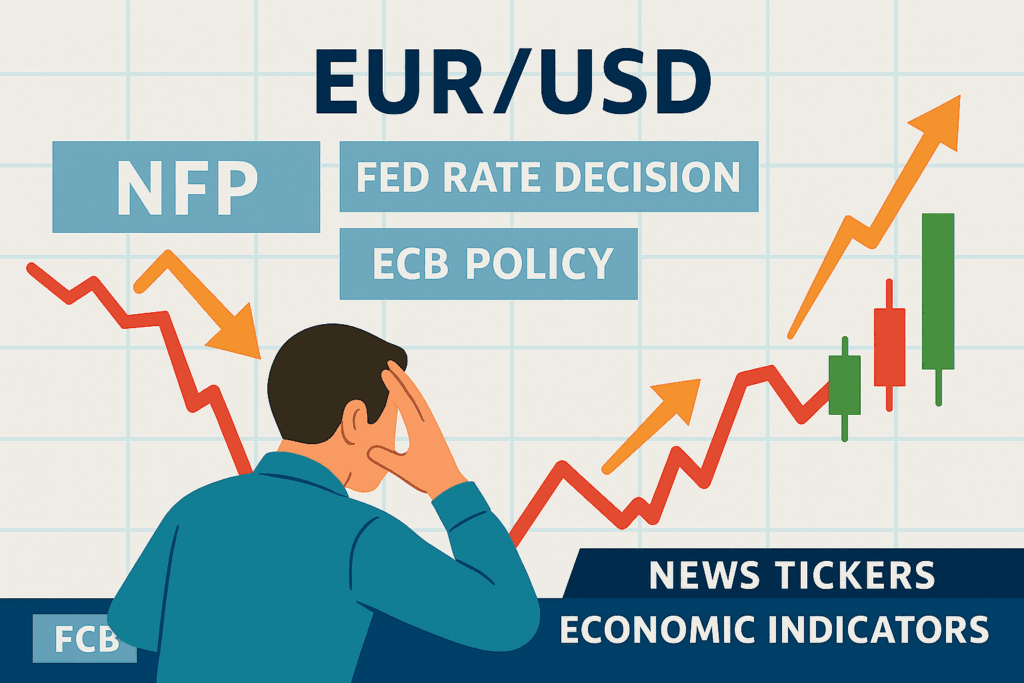
High-impact news events often create sudden surges in liquidity and volatility, which directly affect the EUR/USD. For example:
- A better-than-expected U.S. jobs report often strengthens the dollar, pushing EUR/USD lower.
- An ECB dovish policy shift could weaken the euro, causing the pair to drop quickly.
- Inflation announcements or unexpected geopolitical developments can create unpredictable price swings.
Because EUR/USD is so widely traded, these reactions are often exaggerated compared to less liquid pairs.
Signals During News – What Traders Should Expect
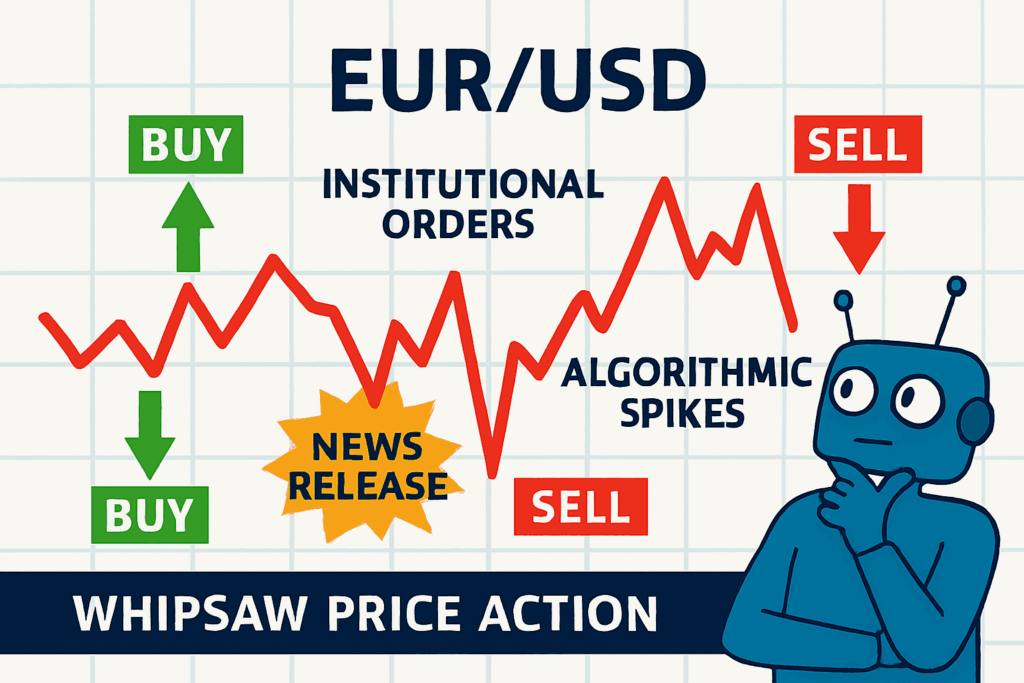
Signals generated during high-impact events can often show conflicting directions within minutes. A signal might indicate a strong buy setup on the initial spike, only to reverse moments later. This is due to:
- Whipsaw movements caused by large institutional players entering and exiting positions.
- Algorithmic trading systems amplifying volatility.
- Spread widening, which can eat into profits if traders enter too quickly.
Case Study: NFP Day Signal Behavior
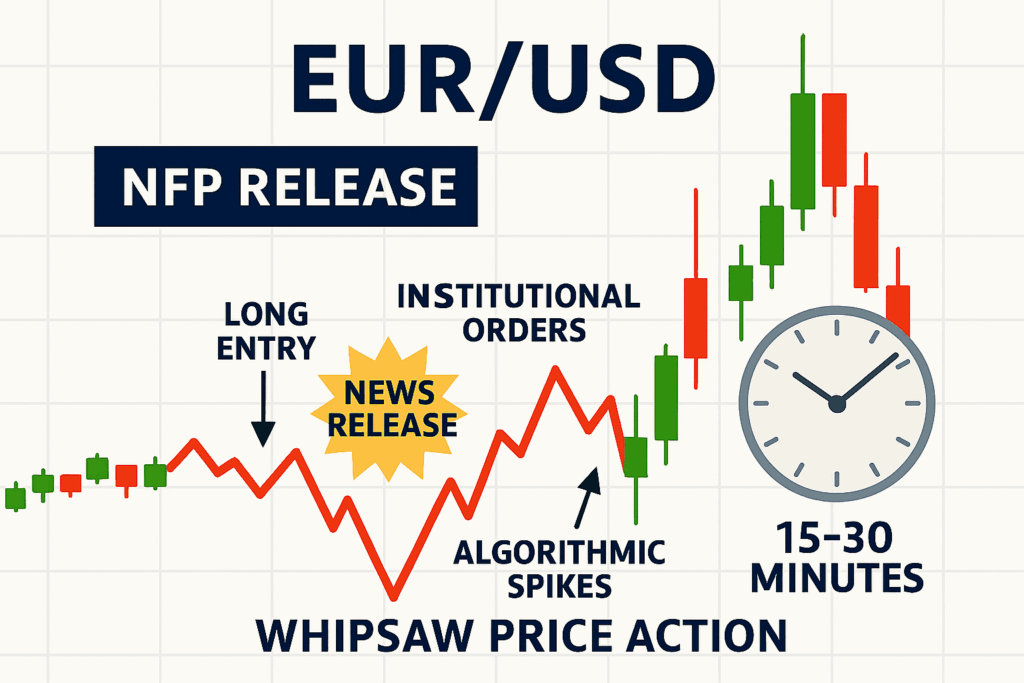
On a typical Non-Farm Payroll Friday, EUR/USD can move 50–100 pips within the first few minutes of the release. A long signal generated right at the release might be profitable if the initial momentum continues, but traders must be aware of the risk of immediate pullbacks. Many professional traders wait 15–30 minutes after the release before acting on signals, allowing the market to settle.
How to Handle EUR/USD Signals During High-Impact News
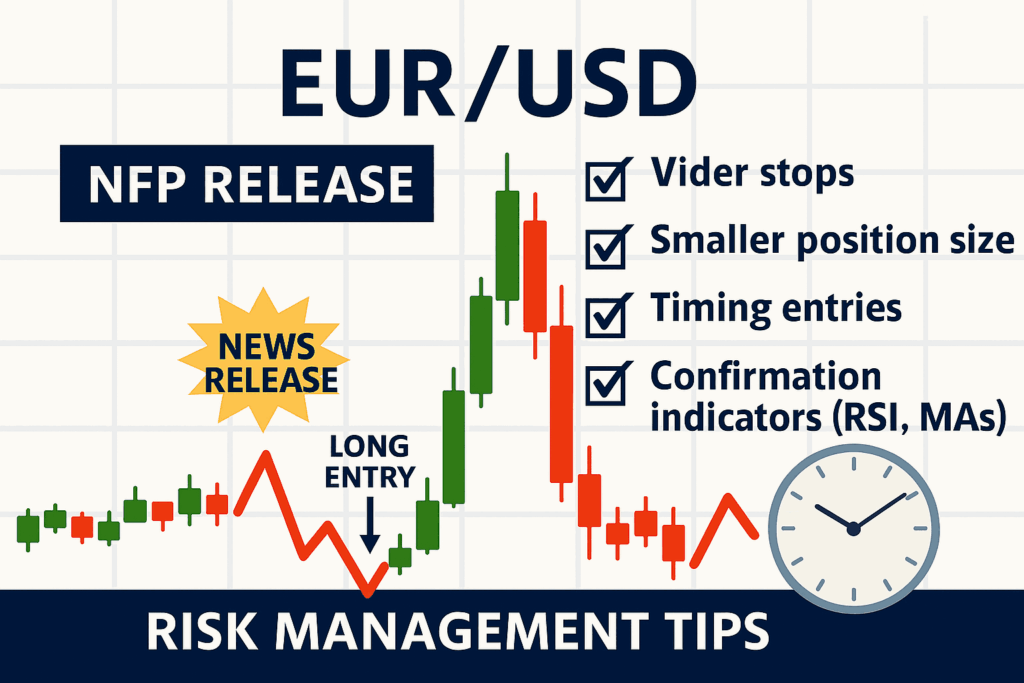
- Use Wider Stops – Narrow stop losses can get taken out by volatility spikes even when the overall trend is correct.
- Reduce Position Size – Trading smaller lots reduces risk while still letting you participate.
- Time Entries Carefully – Avoid jumping in on the very first candle after the news release.
- Verify with Multiple Indicators – Use tools like moving averages, RSI, or volume analysis to confirm a signal.
- Track Historical Reactions – Past news events often provide insight into how EUR/USD behaves under similar conditions.
Turning Volatility Into Opportunity
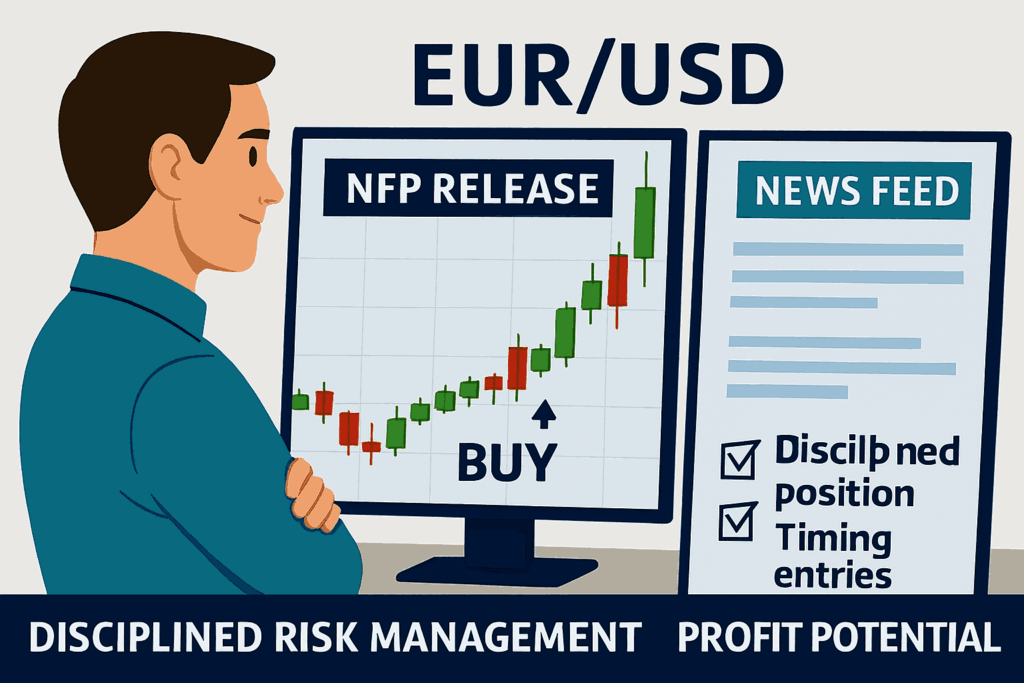
While high-impact news events make trading riskier, they also create some of the best profit opportunities of the month. Traders who understand how EUR/USD signals behave during these events can capitalize on short-term moves while protecting themselves from unnecessary losses.
The key is not to treat signals as automatic instructions, but as guidelines that require context and confirmation. By combining news awareness with disciplined risk management, traders can make the most of these volatile windows.