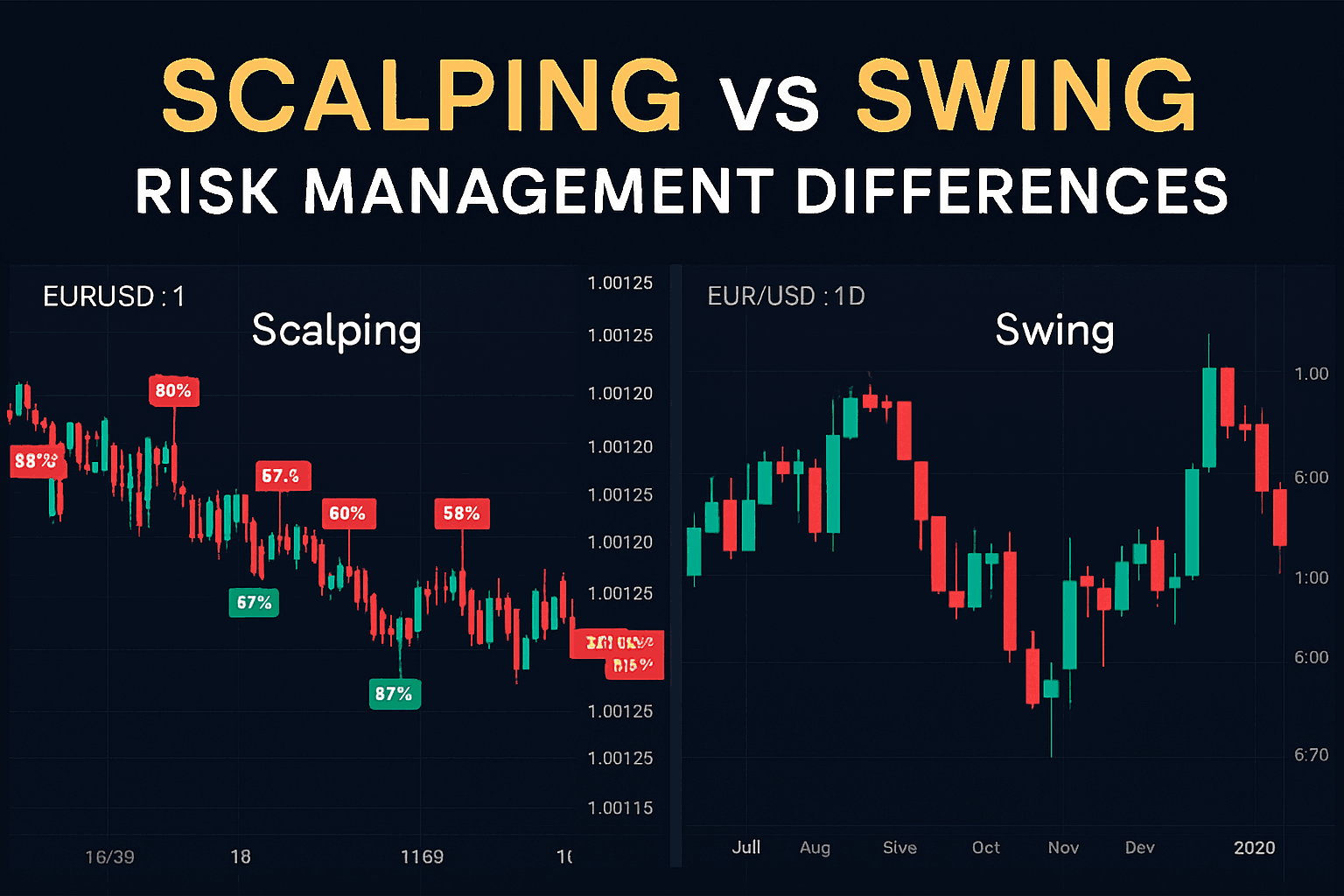
Risk management differences in scalping vs swing signals are often described as the backbone of trading, and nowhere is this more obvious than when comparing these two styles. Both trading strategies rely on signals to guide entries and exits, but the way traders must approach risk is dramatically different. Understanding these differences can mean the difference between protecting capital and blowing an account.
Scalping Signals: Tight Risk, High Frequency
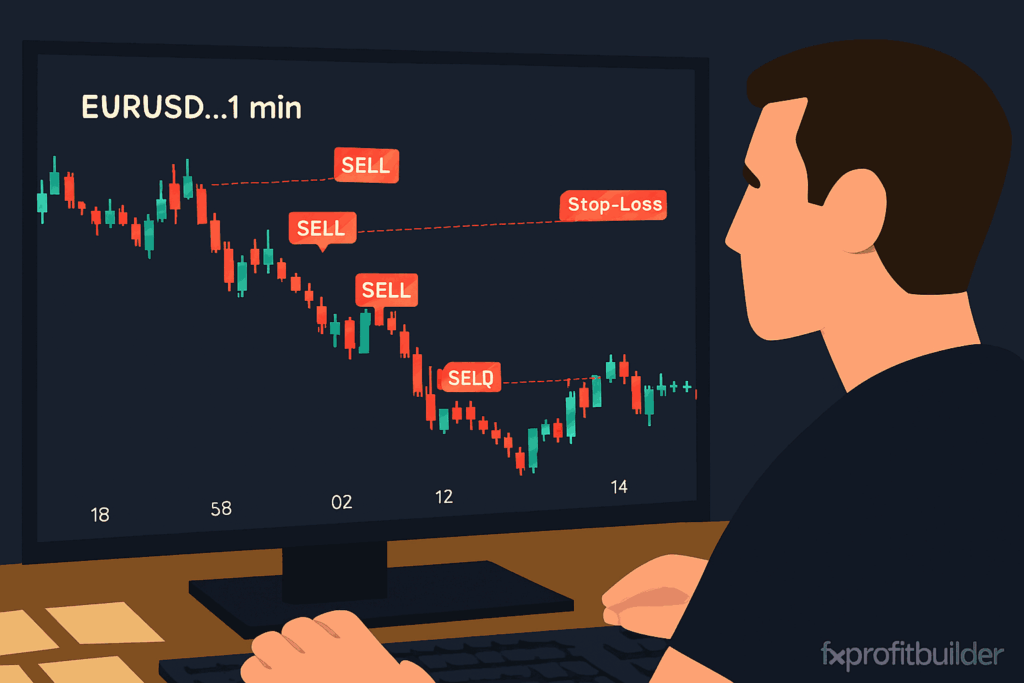
Scalping signals operate on very short timeframes, usually from 1-minute to 15-minute charts. The goal is to capture small, quick profits, often just 5–15 pips per trade. Because of the small targets, stop-losses are also very tight.
Risk Management Characteristics:
- Smaller stop-losses: Scalpers usually set stops between 5–20 pips. A single sharp market move can hit the stop quickly.
- Higher trade frequency: Dozens of signals can appear in a single trading session. Even if losses are small, frequent entries amplify exposure.
- Position sizing is critical: Since the stop-loss is tight, traders often increase lot size to make the reward meaningful. This can magnify losses if not carefully managed.
- Broker considerations: Scalping requires tight spreads and low latency. Wide spreads or slippage can distort risk management completely.
In short, scalpers must master precision and discipline. One moment of emotional trading like removing a stop can erase hours of small gains.
Swing Signals: Wider Risk, Lower Frequency
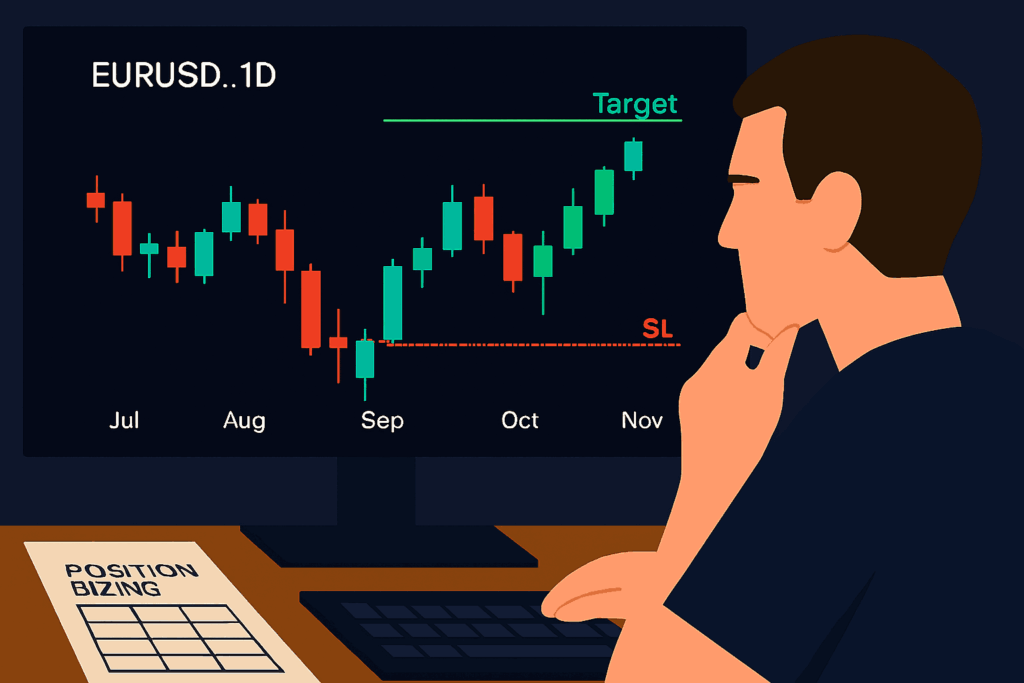
Swing signals, on the other hand, target larger moves over days or weeks. A swing setup on GBP/USD might aim for 150–300 pips, with a stop-loss between 50–100 pips.
Risk Management Characteristics:
- Larger stop-losses: Wider stops mean individual trades can have significant drawdowns.
- Fewer trades: Instead of 20 trades in a week, swing traders might take 2–5. This reduces exposure to noise but increases reliance on accuracy.
- Smaller position sizing: Because stops are wide, traders often reduce lot size to keep the overall account risk within 1–2%.
- Overnight and weekend risk: Swing trades remain open longer, exposing traders to gaps or unexpected news events. Protective measures like partial closes or hedges may be necessary.
Swing traders must balance patience with capital preservation, ensuring that one losing trade doesn’t wipe out the gains of multiple winners.
Comparing the Two Approaches
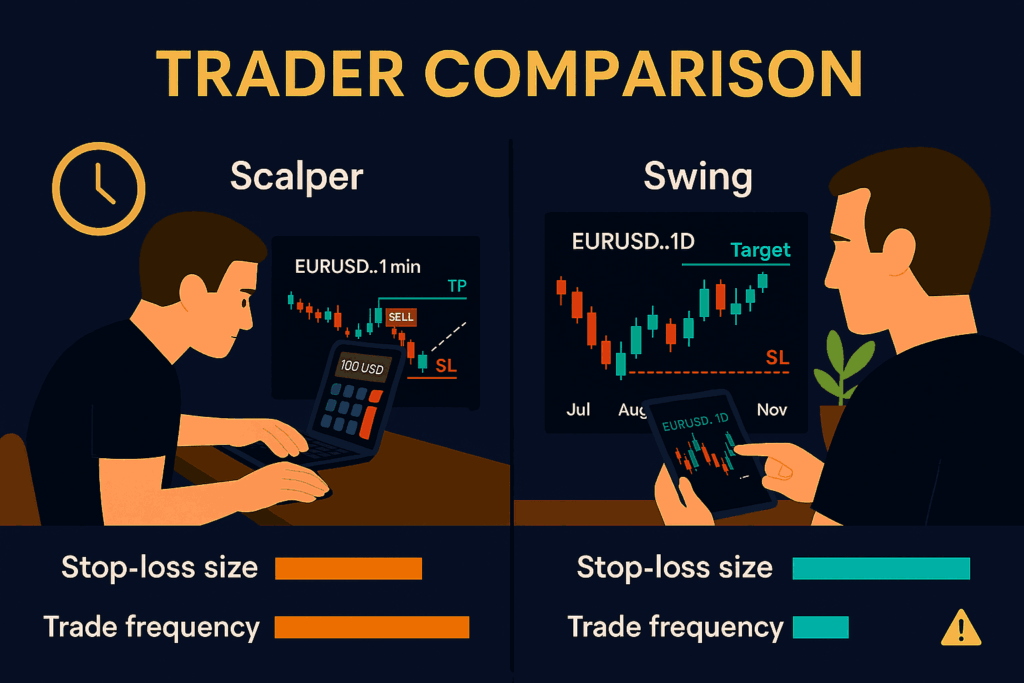
| Factor | Scalping Signals | Swing Signals |
| Stop-Loss Size | 5–20 pips | 50–100+ pips |
| Trade Frequency | High (10–50 per week) | Low (2–5 per week) |
| Position Sizing | Larger lots, tighter stops | Smaller lots, wider stops |
| Risk per Trade | Small in pips, high in % if oversized | Larger in pips, but capped by reduced lot size |
| Market Exposure | Minutes to hours | Days to weeks |
| Psychological Demand | High (fast decisions, emotional control) | Moderate (patience, long-term focus) |
The Psychology of Risk in Both Styles
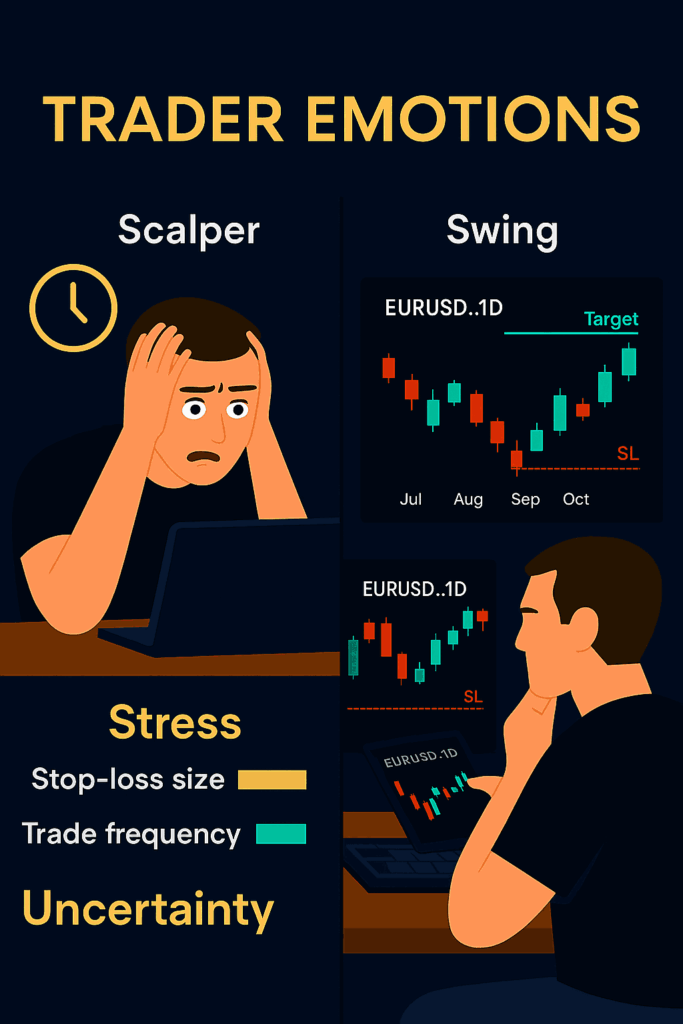
Risk management isn’t just about numbers, it’s also about psychology. Scalpers often face the temptation of revenge trading after quick losses. The speed of signals means emotional mistakes can snowball rapidly.
Swing traders, by contrast, battle impatience and doubt. Watching a trade fluctuate for days can tempt traders to exit early or move stops. Both require discipline but in very different ways.
Which Style Is Right for You?
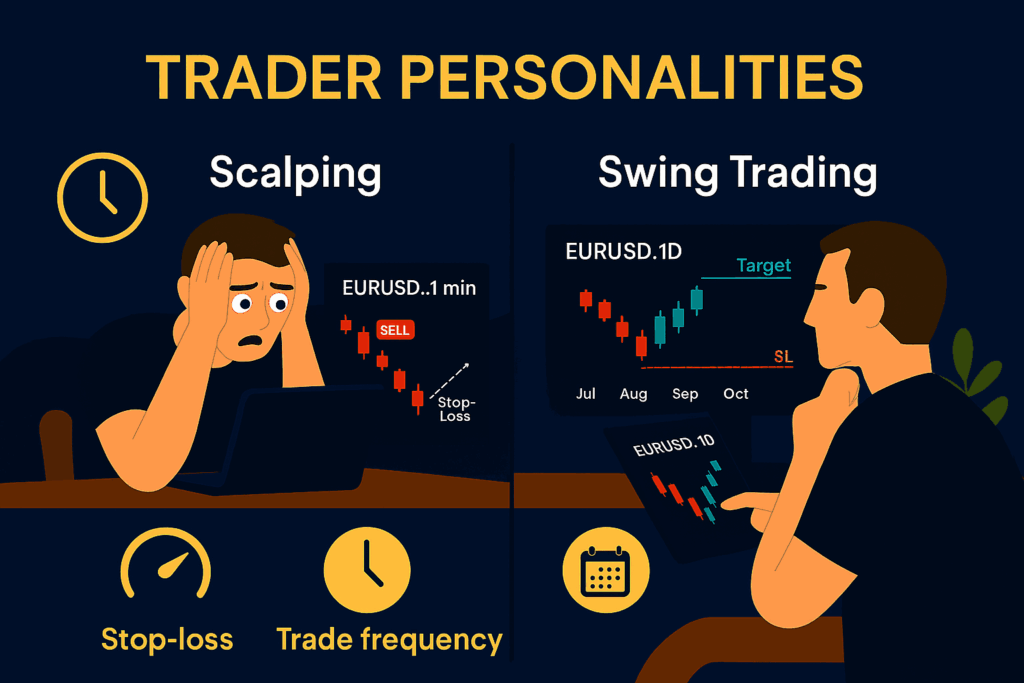
- Choose scalping signals if you:
- Thrive in fast-paced environments.
- Have time to monitor charts actively.
- Can handle rapid decision-making.
- Choose swing signals if you:
- Have a busy schedule but want to trade part-time.
- Prefer fewer but higher-probability setups.
- Can tolerate holding trades overnight.
Final Thoughts
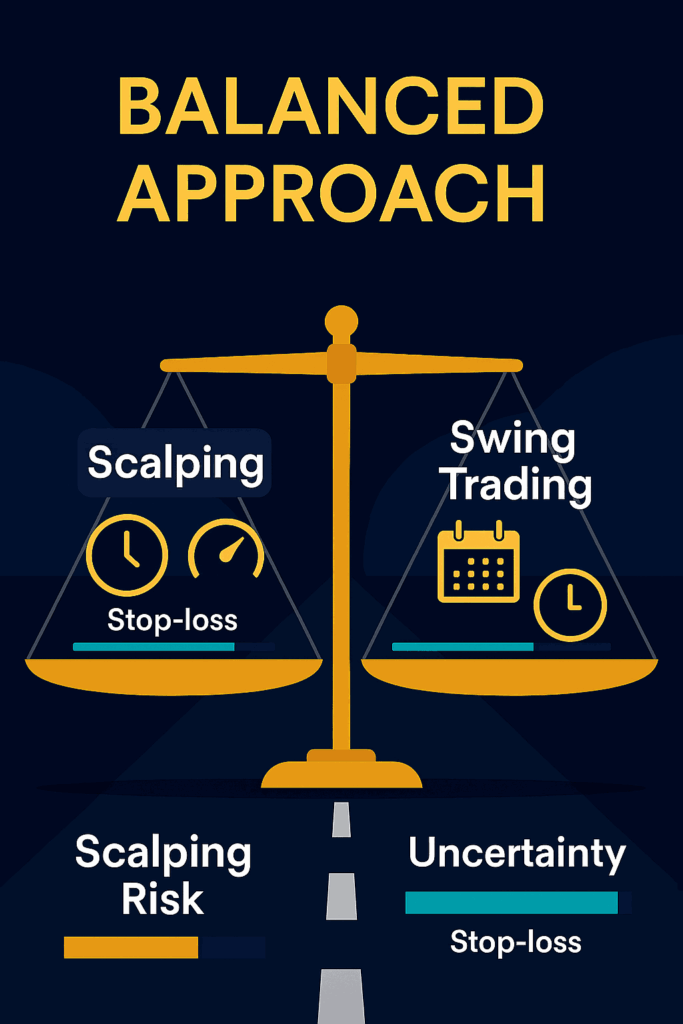
Scalping and swing signals both offer profitable opportunities, but they demand completely different risk management frameworks. Scalpers must focus on execution precision, strict stop discipline, and avoiding oversized positions. Swing traders must master patience, adjust lot sizes for wider stops, and prepare for overnight risks.
In forex, profitability isn’t just about the accuracy of signals, it’s about aligning risk management with your trading style. Once you understand the differences, you’ll know how to size trades, place stops, and stay consistent no matter what signals you follow.
✅ Key Takeaway: Risk management is not “one-size-fits-all.” The best strategy depends on whether you’re trading short bursts (scalping) or long swings (swing trading).