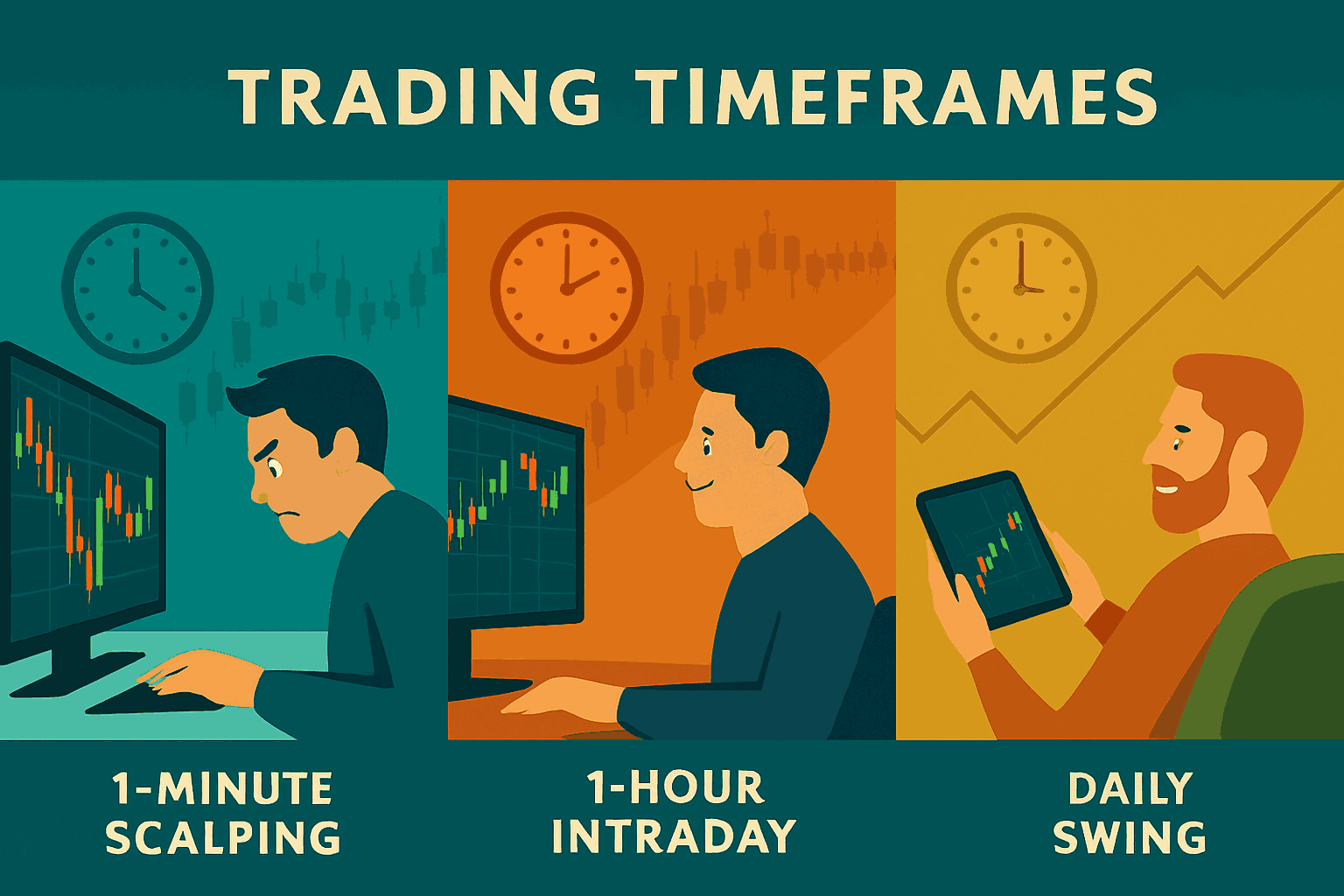
In forex trading, one of the most overlooked factors when using signals is timeframe matching. Traders often jump into trades without considering whether the signal style aligns with their schedule, risk tolerance, or psychology. This mismatch can lead to frustration even if the signals themselves are profitable. The key lies in choosing a signal style that fits your personal timeframe.
The Importance of Timeframe Matching
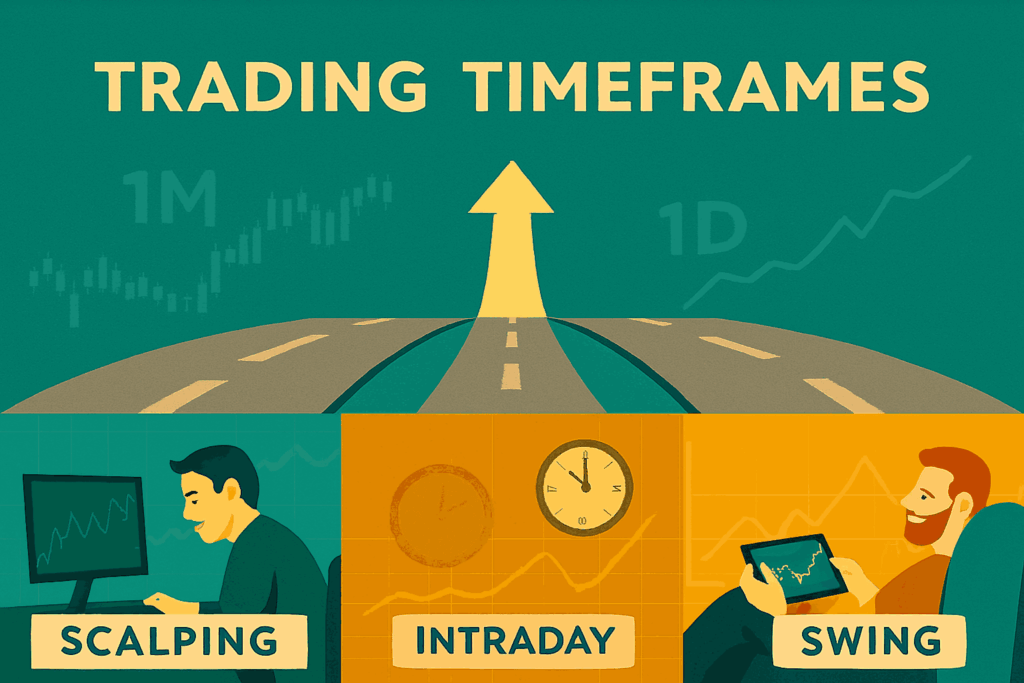
Every forex signal carries an implied timeframe. A scalping signal designed for five-minute charts is completely different from a swing signal targeting daily or weekly levels. If you apply the wrong mindset to the wrong timeframe, even the best signals will feel inconsistent.
For example:
- A scalper following daily swing signals may get impatient and close trades too early.
- A swing trader trying to chase scalping signals may struggle with execution speed.
Matching your trading style with the right timeframe creates consistency, discipline, and realistic expectations.
Scalping Signals: Ultra-Short Term (1M–15M Charts)
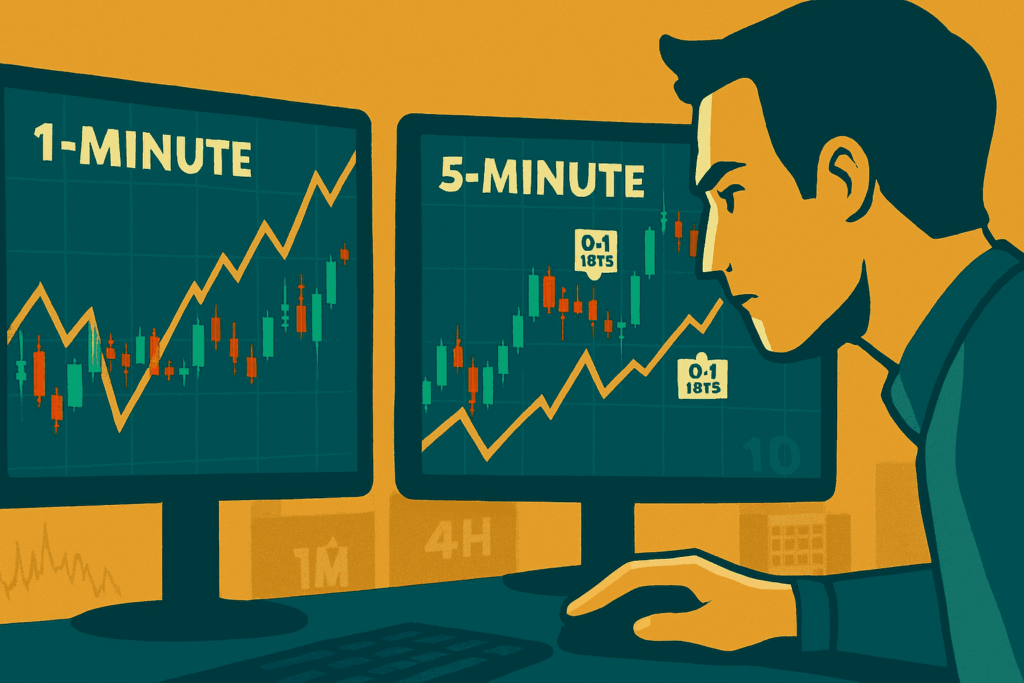
Scalping signals are all about speed and precision. They work on very small timeframes like 1-minute, 5-minute, or 15-minute charts.
Best for traders who:
- Can dedicate several hours a day to watch charts.
- Have fast reflexes and discipline.
- Are comfortable taking multiple small wins.
Challenges:
- High stress levels due to constant monitoring.
- Slippage and spreads can eat into profits.
- Requires strong emotional control to avoid overtrading.
If you thrive in fast-paced environments and enjoy frequent trading opportunities, scalping signals might suit you.
Intraday Signals: Medium-Term (30M–4H Charts)
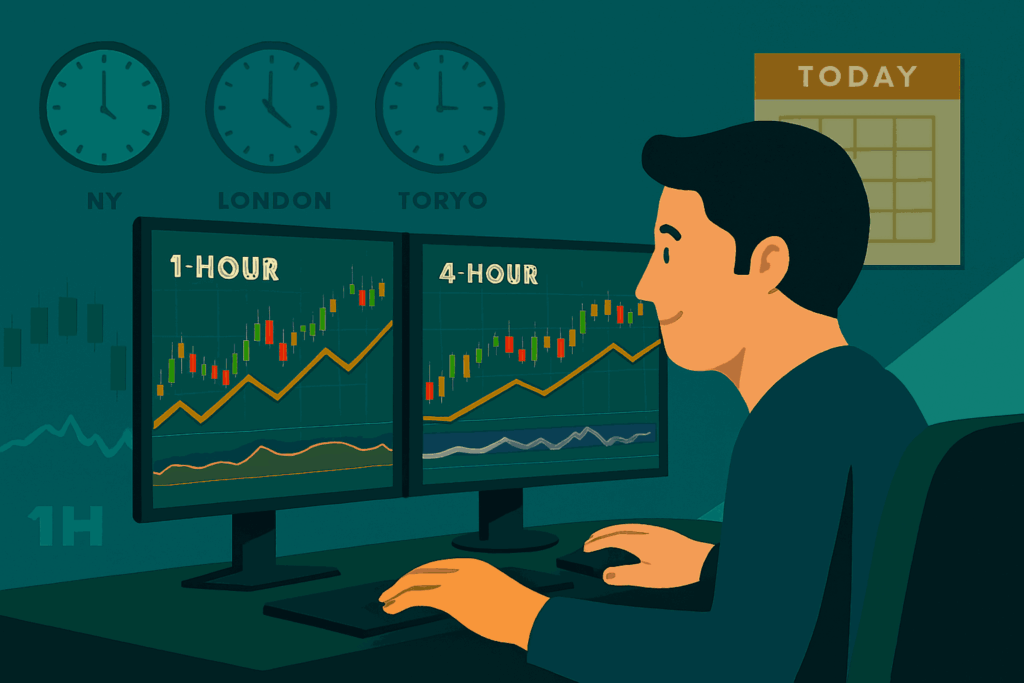
Intraday signals strike a balance between scalping and swing trading. They focus on trades that last a few hours up to a full day.
Best for traders who:
- Can check charts regularly but don’t want to sit glued to the screen.
- Prefer capturing clear setups within the same trading day.
- Like combining technical indicators with short-term fundamentals.
Challenges:
- Still requires monitoring during active sessions.
- Signals may overlap with news volatility, creating uncertainty.
Intraday signals are a great middle ground for traders who want activity without the stress of ultra-short scalps.
Swing Signals: Long-Term (Daily–Weekly Charts)
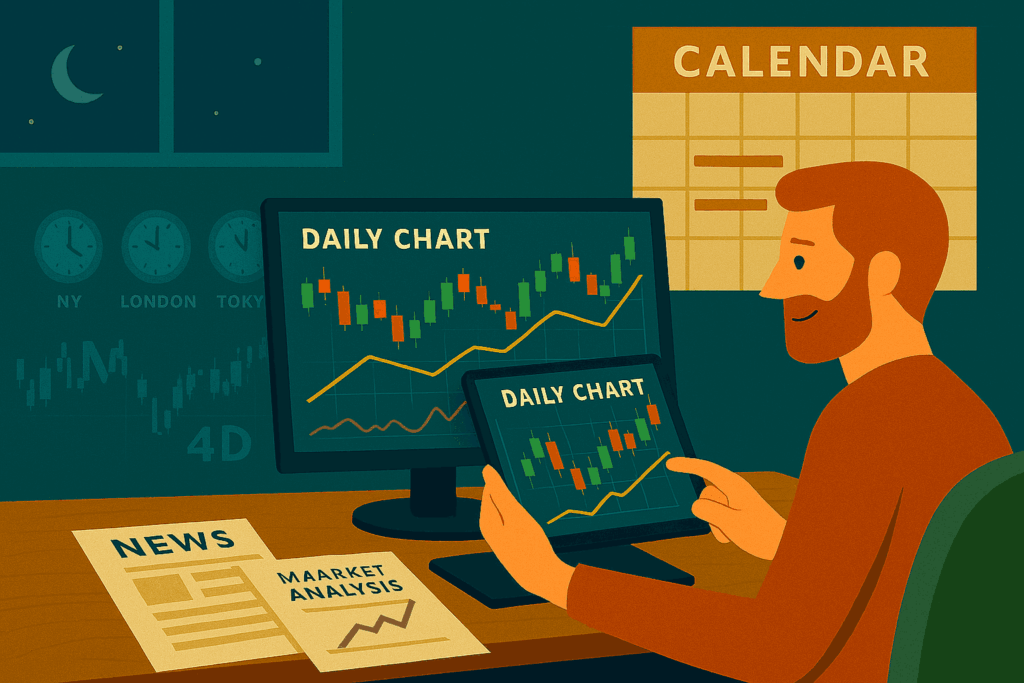
Swing signals aim for larger price movements over days or weeks. They’re less frequent but can be more rewarding.
Best for traders who:
- Have limited screen time during the day.
- Prefer to analyze markets at set times (morning or evening).
- Are comfortable holding positions overnight.
Challenges:
- Wider stop-loss levels can mean bigger drawdowns.
- Requires patience to let trades play out.
- News events can disrupt positions unexpectedly.
Swing signals are perfect for those who want to align trading with a busy lifestyle while targeting larger risk-to-reward ratios.
Matching Signals with Your Personality
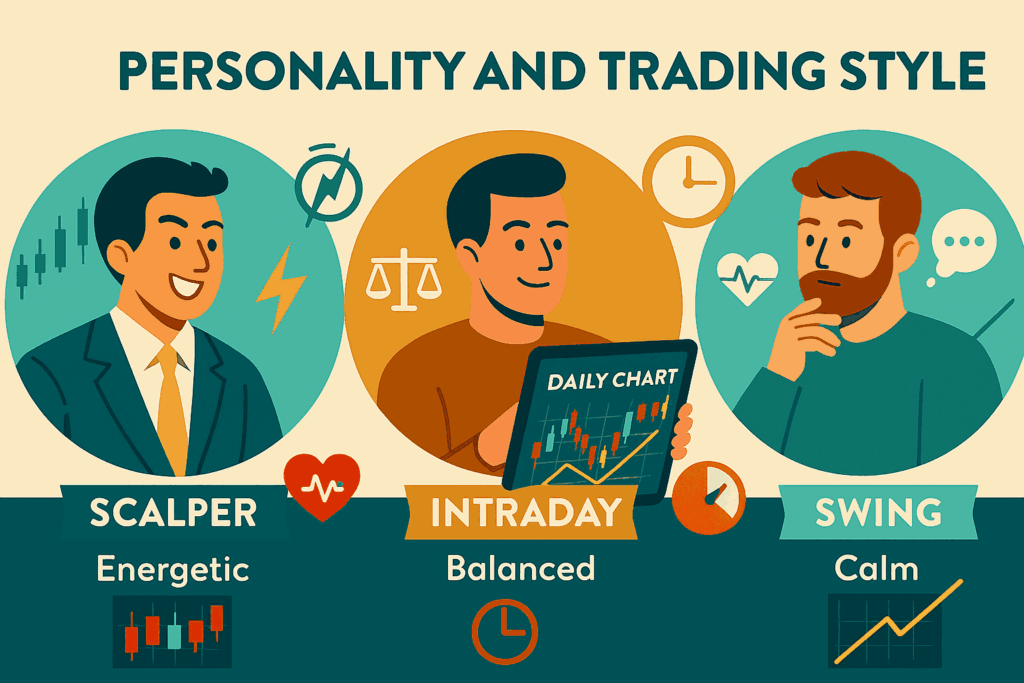
The best signal style isn’t just about market conditions, it’s about you as a trader. Consider the following questions:
- How much time can you dedicate daily?
- Full-time availability = Scalping
- Part-time availability = Intraday
- Minimal availability = Swing
- What’s your tolerance for stress?
- High tolerance = Scalping
- Moderate tolerance = Intraday
- Low tolerance = Swing
- Do you prefer frequent wins or big wins?
- Frequent small wins = Scalping
- Balanced approach = Intraday
- Bigger, less frequent wins = Swing
Final Thoughts

The profitability of signals depends less on the system itself and more on whether the timeframe matches your lifestyle and psychology. A trader with a demanding day job will likely perform poorly chasing scalping signals, while a full-time trader may find swing signals too slow.
The smartest approach is to test different signal styles through demo trading and see which fits your natural rhythm. Once you align your timeframe with your signal style, you’ll find trading far more consistent and manageable.